PWAS (Proximity Warning Alert System)
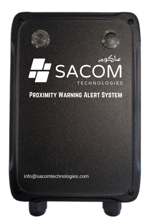
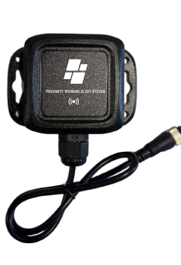
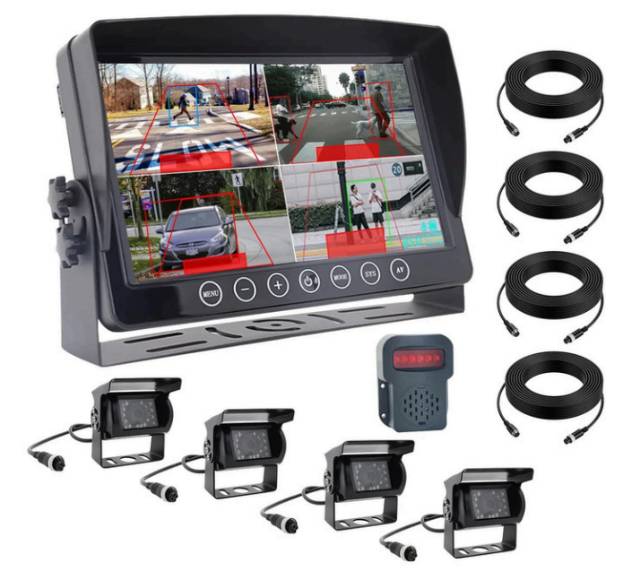
Accidents involving vehicles backing up are a frequent safety concern on worksites. The Proximity Warning and Alert System (PWAS) is engineered to reduce these types of incidents. Unlike systems that depend on individuals wearing identifiable tags, this PWAS employs sensors to identify all nearby people and objects, even if they aren't tagged. By issuing warnings and working with the vehicle’s control systems, this technology helps avoid collisions and boosts safety on the worksite.
- Wide Coverage: Ensures wide-angle detection area for thorough surveillance.
- Object Detection: Identifies any objects entering the detection zone.
- Warnings: Provides visual and audible alerts to notify of potential dangers.
- Blind Spot Elimination: Helps eliminate areas that the operator cannot see.
- Adjustable Range: Offers a user-defined detection range from 6 to 12 meters.
- Bluetooth Configuration: Enables easy setup and adjustment through a mobile app using Bluetooth technology.
- Universal Fit: Suitable for use with all types of machinery.
- Incident Reporting: Includes functionality for recording and reporting events and hazards.